
Vehicle Paint Protection in Otago
Ceramic Coating in Dunedin
Tell us about your vehicle and we will contact you with an estimate.
Keeping your vehicle's paintwork looking its best takes more than an occasional wash. Everyday driving exposes paint to road grime, dirt, rain, bird droppings, tree sap, sunlight and other contaminants. Over time, these can affect the appearance of your vehicle and make cleaning more difficult. Ceramic coating provides a protective layer over properly prepared paintwork, helping the surface repel water and making routine maintenance easier. If you are looking for ceramic coating in Dunedin, CERAMIC COATING DUNEDIN provides a straightforward way to request the service.
We discuss the condition of each vehicle, recommend a suitable service and provide an estimate. Whether you are considering a standard ceramic coating, mobile ceramic coating, paint correction or a longer-duration coating option, you can begin by telling us what you need. We will contact you directly to discuss the vehicle, explain the preparation involved and arrange the work. This gives you a clear starting point without having to work out which service is appropriate on your own.
CERAMIC COATING DUNEDIN was created around a simple idea: finding a suitable vehicle protection service should not be complicated. Vehicle owners have different priorities. Some want to preserve the appearance of a newer car, while others want to improve paintwork that has developed swirl marks, dullness or visible surface defects. Some need the convenience of a mobile option, while others are interested in a coating designed for longer-term protection. We take those requests and discuss the right approach with each customer.
We carry out the ceramic coating work ourselves. We contact you, assess the job, provide the estimate and complete the work. We believe customers should understand what is being proposed, what preparation their vehicle needs and what ongoing care will be expected before agreeing to a service.
More about us
From paint correction and mobile ceramic coating to three-year and ten-year coating options, you can request the service that best matches your vehicle and your expectations.
Understand the preparation, application and factors that influence a professional ceramic coating job.
Learn more →Ceramic coating applied at your home or another suitable location.
Learn more →Improve the appearance of suitable vehicle paintwork by addressing swirl marks, light scratches and surface defects.
Learn more →Explore a ceramic coating option designed around a three-year advertised protection period.
Learn more →Discuss a longer-duration ceramic coating option and the maintenance expectations that come with it.
Learn more →Request a cut and polish to improve gloss and address suitable paint surface imperfections.
Learn more →Our service request coverage includes Dunedin and surrounding parts of Otago, including Mosgiel, Outram, South Dunedin, North East Valley, Central Dunedin, Port Chalmers, Otago Peninsula, Brighton, Kaikorai Valley, St Clair, St Kilda, Roslyn, Mornington, Andersons Bay, Green Island, Abbotsford, Caversham, Maori Hill, Waikouaiti and Waitati. Each location has its own driving conditions, property types and vehicle storage arrangements, all of which can influence the questions worth asking before ceramic coating is arranged. Choose your area to read about local conditions, or see all service areas.
A vehicle regularly parked near the coast may face different environmental exposure from one kept in a sheltered suburban garage. A daily commuter travelling between Mosgiel and Dunedin may have different maintenance priorities from a vehicle used mainly for short trips around the central city. When you submit a request, include where the vehicle is normally kept, how it is used and whether you have noticed any paintwork problems. This helps us understand the job before making contact.
See all service areas
You can submit a request without needing to know every technical detail about ceramic coatings. Explain what you want to achieve and we can discuss suitable options.
We discuss the vehicle, assess the work required and provide an estimate directly.
Requests can cover different coating durations, mobile services and paint correction, depending on the vehicle and the result you are seeking.
We encourage customers to understand preparation, application, curing and maintenance before agreeing to any coating service.
We accept requests from Dunedin and surrounding communities, including coastal, suburban and rural locations.
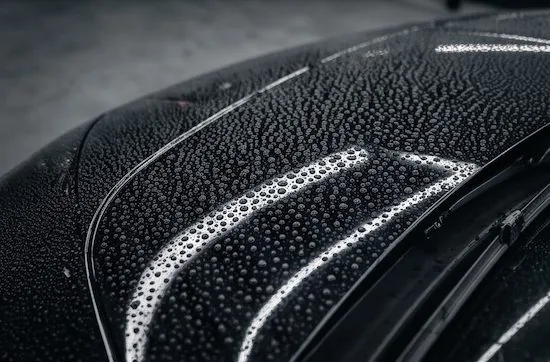
Ceramic coating is a liquid protective product applied to a vehicle's exterior paintwork. Once applied and properly cured, it forms a bonded protective layer over the prepared surface. Its main purpose is to improve the way the vehicle's paint responds to water, dirt and everyday contamination. Many coatings create a hydrophobic effect, meaning water tends to gather into droplets and move more readily across the surface.
The process starts well before the coating is applied. The vehicle needs a thorough wash to remove loose dirt and road contamination. Depending on its condition, further cleaning may be needed to remove bonded contaminants that ordinary washing cannot shift. This can include products and techniques designed to remove embedded iron particles, tar and other surface deposits.
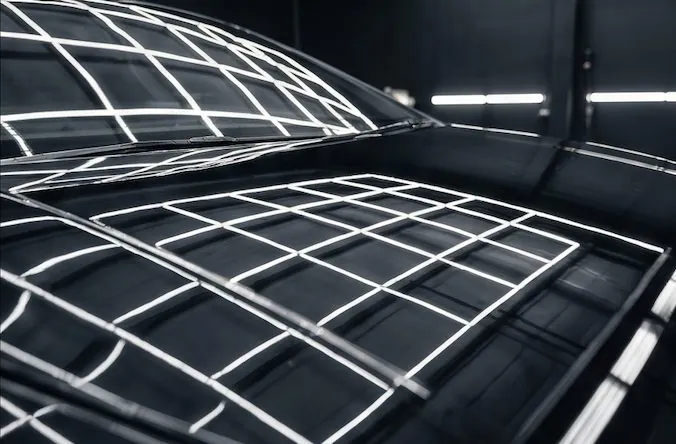
The paint is then inspected. Scratches, swirl marks, oxidation and other defects may be visible under suitable lighting. If the owner wants to improve the paint's appearance, we may recommend paint correction before applying the coating. This stage matters because ceramic coating is not a paint repair product. It does not fill every scratch or restore missing clear coat. Applying a coating over poorly prepared paint can preserve an appearance that the owner was hoping to improve.
After preparation, the coating is applied in controlled sections according to the product instructions. We need to manage the application, removal of excess product and curing requirements. Conditions such as temperature, humidity, airflow and available working space can affect the process. The vehicle may need to remain dry and protected for a specified period after application.
When requesting ceramic coating, ask us to explain each preparation stage, what the selected product is designed to do and how long the vehicle should remain protected during curing. Understanding the whole process helps set realistic expectations and makes it easier to compare different service recommendations.
There are several reasons vehicle owners begin looking into ceramic coating. One common sign is that washing the vehicle has become more difficult. Dirt may cling to the paint, water may remain on flat surfaces and routine cleaning may take longer than expected. A suitable coating can make the surface easier to maintain, although it does not eliminate the need for washing or careful drying.
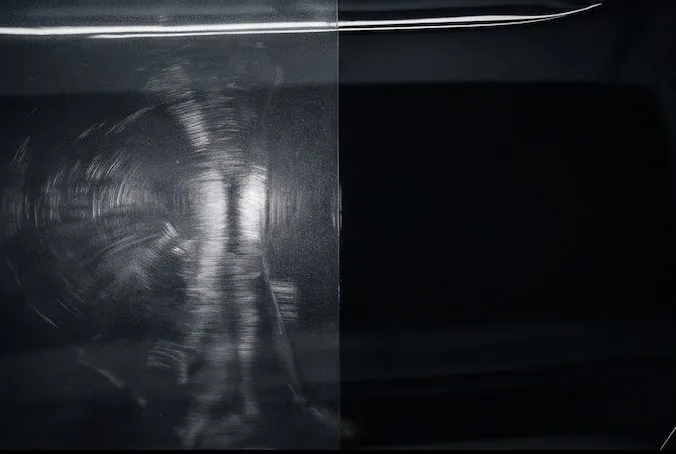
Another reason is the appearance of the paint. If the vehicle looks dull even after cleaning, or if sunlight reveals circular swirl marks, light scratches and uneven reflections, the paint may benefit from a professional assessment. These defects can develop through repeated washing, unsuitable cleaning materials, contact with dirty sponges and general use. Paint correction may improve some defects, depending on their depth and the condition of the clear coat.
Owners of newer vehicles may consider coating as part of their approach to maintaining the factory finish. A newer vehicle is not automatically ready for coating, however. Transport contamination, dealership preparation marks and light scratches can still be present. Proper inspection and preparation are important regardless of vehicle age.
Older vehicles can also be suitable candidates. Their condition will determine what is realistic. Faded paint, peeling clear coat, deep scratches and previous repairs may limit the improvements that can be achieved through polishing or coating. A coating should never be presented as a replacement for paint repairs where the underlying finish has failed.
Local conditions also matter. Regular exposure to rain, coastal air, road film, tree residue and outdoor parking can make exterior maintenance demanding. A coating may help reduce the effort involved in keeping the surface clean, but it does not make paint immune to environmental damage. If you notice persistent staining, rough paint, water marks or increasing difficulty washing your vehicle, we can assess whether preparation, correction or coating is the more suitable next step.
Ceramic coating is not a single identical job for every vehicle. The work involved depends on the vehicle itself, its current paint condition, the product being considered and the preparation needed before application. This is why an estimate should be based on the actual vehicle rather than a broad assumption about what every car requires.
Vehicle size is one consideration. A small hatchback generally presents a different amount of surface area from a large SUV, people mover or utility vehicle. Larger vehicles can require more preparation time and more product. Body shape and detailing also matter. Vehicles with complex curves, tight panel gaps, intricate trim and difficult-to-reach areas can require additional attention.
Paint condition is another important factor. A vehicle with relatively clean, well-maintained paint may need less correction than one with extensive swirl marks, water spotting, oxidation or scratches. We may recommend a one-stage or more involved polishing process, depending on the desired improvement and how much clear coat is available. Previous polishing, repainting and paint repairs can also affect the approach.
The coating specification influences the work as well. A longer-duration product may have particular application, preparation or maintenance requirements. It is important to understand that advertised coating duration is not an automatic guarantee of how long the coating will perform on every vehicle. Driving conditions, storage, washing habits and maintenance all play a part.
Other practical considerations include whether the work is mobile or carried out at another suitable location, the availability of covered working space, access to the vehicle and environmental conditions. Mobile work may require additional planning to ensure we can prepare and apply the product properly.
When we contact you, provide the make and model, approximate age, paint condition and any known previous repairs. Photographs can also help communicate visible defects. Ask what preparation is included, whether correction is recommended, which product is proposed and what the estimate covers. A useful estimate explains the work rather than simply naming a coating.

Vehicles around Dunedin and the wider Otago region experience a variety of conditions. City commuting, coastal travel, rural roads and outdoor parking all create different maintenance challenges. A vehicle used every day between suburban areas and the central city may collect road film, dust and grime from regular travel. A vehicle that spends time near the harbour or along the peninsula may be exposed to coastal air and changing weather. Cars parked outdoors can also accumulate tree residue, bird droppings and environmental deposits.
Dunedin's weather makes regular vehicle care particularly relevant. Rain, damp conditions and changes in temperature can affect how vehicles are washed, dried and stored. Moisture can remain around trim, mirrors and other tight areas if drying is incomplete. Water spotting can become more noticeable when water is allowed to dry on warm panels. Ceramic coating can change how water behaves on a surface, but it does not prevent mineral deposits from forming when water evaporates.
Coastal environments deserve particular attention. Salt deposits should be removed through appropriate washing rather than left on the paint. A protective coating may assist with cleaning, but it is not a substitute for removing contamination. Owners who travel frequently near the harbour, beaches or exposed coastal roads should discuss practical maintenance with us.
Rural and semi-rural driving can introduce additional dirt, mud, grit and road deposits. These contaminants should be removed carefully to reduce the chance of scratching paint during washing. A strong coating does not make it safe to wipe dry dirt from the surface.
The best approach is to match the coating and maintenance routine to the way the vehicle is actually used. Explain where you drive, where you park and how often you wash the vehicle when requesting an estimate. That information gives us a better understanding of the protection and care requirements involved.
Choosing a ceramic coating service involves more than comparing the name or advertised duration of a coating product. The preparation process, application conditions and aftercare instructions all contribute to the final result. A good provider should be willing to explain the work in everyday language and answer questions about the condition of your vehicle.
Start by asking what happens before the coating is applied. A proper explanation should cover washing, surface decontamination, paint inspection and any recommended correction. If a vehicle has visible swirl marks or scratches, ask whether those defects will remain visible after coating. It is important to understand what the proposed service can realistically achieve.
Ask about the specific product being used. Different products have different instructions, performance characteristics and care requirements. The advertised duration should be understood as a product or manufacturer claim under stated conditions, not a promise that every vehicle will experience identical performance. Request clear information about any product warranty, its conditions and what maintenance is required to keep it valid.
The working environment is another useful topic. Coating application is sensitive to preparation and environmental conditions. Ask where the work will be performed, whether the vehicle needs to be under cover and how long it must remain undisturbed. If you are considering mobile ceramic coating, discuss the available space and whether the location is appropriate.
A good estimate should explain what is included and identify any additional work being recommended. You should be able to understand whether paint correction is included, what areas will be coated and whether wheels, glass or trim are part of the proposed service. Do not assume these items are included unless they are clearly stated.
CERAMIC COATING DUNEDIN gives vehicle owners a way to start that conversation. We discuss each job directly with you. Take the time to compare the preparation process, product information, communication and aftercare support before deciding whether to proceed.
CERAMIC COATING DUNEDIN carries out the ceramic coating work. When you call or send the form, we contact you, give you the estimate and do the work.
See what happens after you callA few public sources are worth knowing about if you are planning ceramic coating or paint work in Dunedin. They are independent of this site.
Coating needs dry, stable conditions while it bonds. The MetService Dunedin forecast helps you plan a mobile booking around rain and wind.
Wash water that runs into a street drain generally reaches streams and the harbour without treatment. The Otago Regional Council and the Dunedin City Council publish guidance on protecting local waterways.
New Zealand's UV levels are high for much of the year. NIWA publishes UV forecasts that show why cars parked outside fade faster.
Services must be carried out with reasonable care and skill. The Consumer Guarantees Act guide explains what that means if a job is not done properly.
When we recommend a product, ask us for its name. Coating manufacturers such as Gyeon, CARPRO and Gtechniq publish data sheets and aftercare instructions you can read before you agree to the work.
The expected duration depends on the product, preparation, application and ongoing maintenance. Different products are designed for different service-life expectations. Ask us to explain the product specification and what conditions are required to support its advertised duration.
Ceramic coating can provide a protective surface layer, but it does not make paint scratch-proof. Careful washing and drying remain important. Deeper scratches and existing paint defects need to be assessed separately.
Not every vehicle requires the same level of correction. A vehicle with visible swirl marks, dullness or light scratches may benefit from polishing before coating. We can inspect the paint and explain what preparation is appropriate.
Yes, used vehicles can be suitable candidates if the paint is in an appropriate condition. The surface needs to be cleaned and inspected, and any recommended correction should be discussed before application.
You should follow the product-specific curing and aftercare instructions provided by us. Once the initial curing requirements have been met, regular gentle washing remains necessary to remove dirt and contamination.
Start with a vehicle description and the service you are considering. We will contact you to discuss the work and provide an estimate.
Free, no obligation