
Restore Paint Appearance
Paint Correction in Dunedin
Describe the paint defects you have noticed and request an assessment.
Paint correction is a polishing process used to improve the appearance of vehicle paint by reducing suitable surface defects. Common concerns include swirl marks, light scratches, dullness and uneven reflections. These problems can become especially noticeable in direct sunlight or under strong artificial lighting.
The appropriate level of correction depends on the paint condition and the thickness and condition of the clear coat. Not every defect can be safely removed. We assess the finish and discusses realistic improvements before recommending a polishing approach.
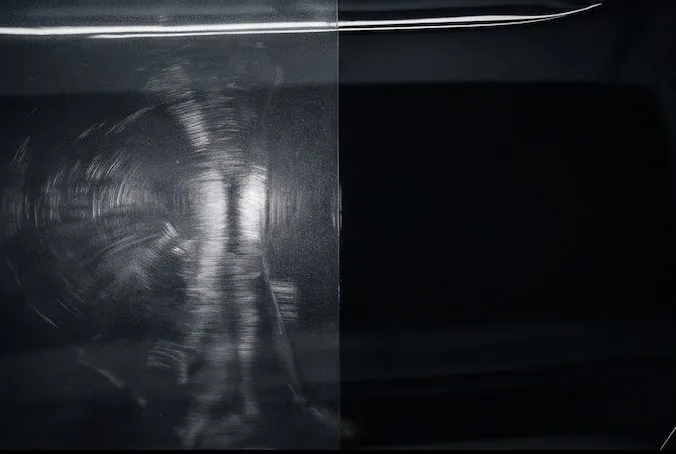
Correction involves controlled polishing rather than simply applying a product that hides defects.
The surface is checked under suitable lighting to identify swirl marks, scratches, oxidation and previous polishing defects.
A suitable polishing combination may improve general gloss and reduce lighter defects where the paint condition allows.
More involved correction may be considered for paint with greater visible defects. The approach depends on the condition and available clear coat.
Where coating is planned, the paint is prepared according to the selected product's application requirements.
Deep scratches, paint chips and clear coat failure cannot simply be polished away. We explain what can reasonably be improved.
You can explain what you see and ask whether correction is likely to improve the finish.
Correction can be discussed as part of a broader paint protection service where appropriate.
We consider the actual condition of the paint rather than assuming every vehicle needs the same process.
The proposed correction can be discussed before you agree to the work.
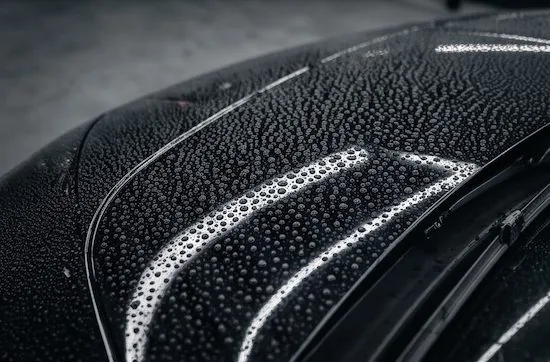
Most of the marks that paint correction removes are put there by washing. Brush car washes, dirty sponges and drying with a rough towel drag fine grit across the clear coat and leave the circular swirl marks you see in direct sun. A dark car shows them first.
Local driving adds to it. Winter grit on hill roads, gravel roads out toward the Taieri and Strath Taieri, and dust from roadworks all end up on the paint and are easy to grind in when the car is washed. Cars parked under trees in older suburbs collect sap and bird droppings that can etch the surface if they sit for weeks.
New Zealand also has high UV levels for much of the year, and NIWA publishes daily UV forecasts. Years of sun can dull and oxidise paint, especially on older vehicles and on single-stage paint without a clear coat.
Swirl marks, haze, light scratches, water spots and dull or oxidised clear coat can often be improved by machine polishing.
A scratch that has gone through the clear coat to the colour or primer needs paint repair, not polishing. We can tell you which marks are which.
Correction removes a thin layer of clear coat, so it is not something to repeat often. After correction, a ceramic coating and a gentle washing routine help the finish last. Polish and pad makers such as CARPRO publish guidance on how their products should be used if you want to read more.
Request a paint assessment and discuss whether correction is suitable for your vehicle.
Free, no obligation
Tell us about the scratches, swirl marks, dullness or other concerns you have noticed.
We review your request and get in touch.
We explain the suitable polishing approach and what results may be realistic.
You receive the estimate and we arrange any agreed work with you.

Suitable swirl marks can often be reduced through machine polishing. The outcome depends on their depth, the paint condition and the amount of clear coat available.
Deep scratches that extend through the clear coat may not be safely removable through polishing. We can inspect the damage and explain possible options.
Paint correction generally involves a more deliberate process of inspecting and reducing defects. A basic polish may focus more on gloss and appearance without the same level of defect correction.
If visible defects need attention, correction is generally considered before coating. The coating will not automatically hide existing swirl marks or scratches.