
Vehicle Paint Refinement
Cut and Polish in Dunedin
Describe your paintwork concerns and request a cut and polish assessment.
A cut and polish is a paint refinement service intended to improve the appearance of vehicle paintwork. The cutting stage uses suitable polishing compounds and equipment to reduce selected surface defects, while the polishing stage refines the finish and improves gloss.
The amount of work needed depends on the vehicle's paint condition. Some vehicles need only light refinement, while others may require a more involved approach. We can inspect the finish and explain what can realistically be improved without removing unnecessary clear coat.
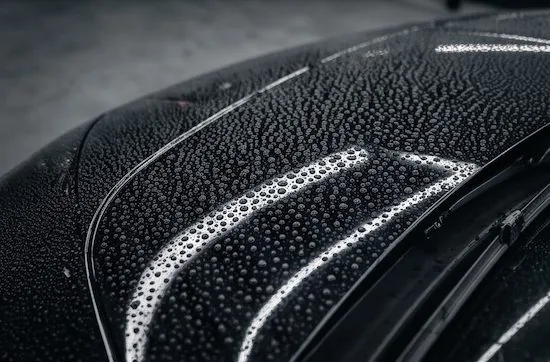
A considered approach starts with understanding the paint rather than immediately selecting a polishing compound.
The vehicle is washed to remove loose contamination before paintwork is inspected and polished.
Suitable polishing compounds and pads are used to reduce selected defects, depending on the paint's condition.
A finer polishing stage can improve clarity and gloss after more corrective work.
The finish is reviewed to assess the results and identify any defects that remain.
After polishing, the owner can discuss suitable protection options to help maintain the improved appearance.
The service request can explain the paint defects and finish concerns you want addressed.
We consider the condition of the paint when deciding how much correction is suitable.
You can discuss which defects may remain and what improvement is realistic.
If desired, you can ask whether ceramic coating should be considered after polishing.

In New Zealand a cut and polish usually means a machine compound followed by a finishing polish to bring back gloss. It is often quicker than a multi-stage paint correction and aims for a clear improvement rather than removing every defect. A full correction takes longer and goes further.
A cut and polish is common on older vehicles, including the many used Japanese imports on Dunedin roads, where the paint has gone flat from years of sun and washing. It is also a popular step before selling a car, or before a coating on a vehicle that does not need a full correction.
High UV is a big reason paint fades here. NIWA tracks UV levels across the country, and summer readings in Otago are high enough to age paint, plastic trim and headlight lenses on a car that lives outside.
Fresh polish has little protection on its own. A wax, sealant or ceramic coating afterwards helps keep the gloss.
Some older single-stage paints transfer colour onto the polishing pad. We can check the paint type before starting.
When you send a request, it helps to say how old the car is, whether it has been repainted, and what bothers you most about the paint. A photo taken in direct sun shows swirl marks clearly. That lets us judge whether a one-step cut and polish is likely to give the result you want, or whether a fuller correction is worth discussing.
If you want to read about the compounds and polishes used, makers such as CARPRO publish product guides. For general advice on getting quotes for car care services, see Consumer NZ.
Request a discussion about your paintwork and the cut and polish process.
Free, no obligation
Describe the dullness, swirl marks or surface imperfections you have noticed.
We review the request and contact you.
We discuss the vehicle's paint condition and the appropriate polishing approach.
We provide an estimate and handle arrangements directly with you.

Cutting is the more corrective stage used to reduce suitable paint defects. Polishing refines the surface to improve gloss and clarity.
It can improve the appearance of suitable paint, but results depend on its condition. Paint failure, deep damage and missing clear coat cannot be corrected through ordinary polishing.
There is no universal schedule. Repeated aggressive polishing can remove unnecessary clear coat, so the service should be based on actual paint condition and need.
Yes, polishing is often considered as part of the preparation for ceramic coating. The surface must be prepared according to the selected coating product's instructions.